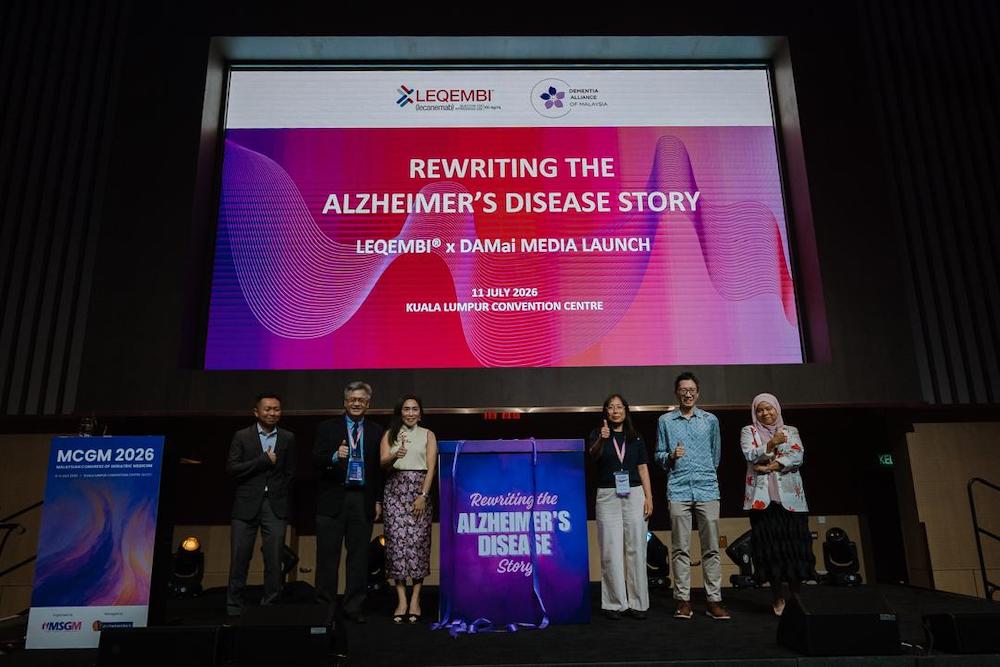
LEQEMBI Marks a New Chapter in Malaysia’s Fight Against Alzheimer’s Disease
Malaysia has taken a significant step forward in the fight against Alzheimer’s disease with the introduction of LEQEMBI (lecanemab), the country’s first disease-modifying therapy (DMT) for early Alzheimer’s disease.
Introduced by Eisai Malaysia, this breakthrough treatment represents a major shift in how the condition is managed, moving beyond symptom relief to addressing the underlying cause of the disease itself.
For decades, available treatments for Alzheimer’s disease have primarily focused on managing symptoms such as memory loss and cognitive decline. While these therapies have helped improve quality of life for some patients, they have not been able to slow the progression of the disease.
LEQEMBI changes that narrative by targeting amyloid plaques in the brain, one of the key biological hallmarks associated with Alzheimer’s disease.
A Historic Milestone for Alzheimer’s Care
Approved by Malaysia’s National Pharmaceutical Regulatory Agency (NPRA) in January 2026, LEQEMBI is specifically indicated for patients with early symptomatic Alzheimer’s disease.
The treatment works by removing amyloid build-up in the brain, which researchers believe plays a crucial role in the progression of Alzheimer’s disease. Clinical studies have shown that by targeting this pathology, LEQEMBI can help slow the rate of cognitive decline, potentially allowing patients to maintain their independence and daily routines for a longer period.
Speaking during the launch event, Eisai Malaysia Managing Director Kam Ai Teng described the introduction of LEQEMBI as a meaningful advancement in Alzheimer’s care.
According to her, the availability of a therapy that can slow disease progression highlights the importance of identifying patients earlier, before extensive brain damage occurs. Since Alzheimer’s disease often develops silently for years before symptoms become obvious, early detection is becoming increasingly critical.
The Growing Challenge of Dementia in Malaysia
The launch comes at a time when Malaysia is facing a rapidly ageing population and a growing burden of dementia-related illnesses.
Current projections estimate that the number of Malaysians living with dementia could reach as many as 825,000 by 2050. This represents an increase of more than 300% compared to current figures.
The impact extends far beyond healthcare. Dementia is estimated to cost Malaysia between RM7.9 billion and RM8.5 billion annually through medical expenses, productivity losses, and unpaid caregiving responsibilities. These costs account for nearly 0.5% of the nation’s GDP.
As the prevalence of dementia rises, the need for effective interventions becomes increasingly urgent. Treatments that can delay disease progression may help reduce some of the long-term burden placed on patients, families, and healthcare systems.
The Importance of Early Diagnosis
One of the key messages highlighted during the launch was the importance of recognising Alzheimer’s disease in its earliest stages.
Many individuals seek medical attention only after noticeable memory problems begin affecting daily life. However, by this stage, significant changes may have already occurred within the brain.
With disease-modifying therapies now available, early diagnosis becomes more valuable than ever. Timely assessment and intervention can help eligible patients access treatment sooner and potentially achieve better outcomes.
Healthcare professionals are increasingly encouraging individuals and families to seek medical advice if they notice persistent memory issues, confusion, or changes in cognitive function.
Building a Stronger Dementia Ecosystem
Medical innovation alone cannot solve the challenges posed by Alzheimer’s disease. Experts emphasise that a comprehensive support system is equally important.
Malaysia’s National Dementia Action Plan (NDAP) 2023-2030 aims to strengthen dementia care through earlier screening, improved public awareness, reduced stigma, and enhanced caregiver support.
Supporting these efforts is Dementia Alliance Malaysia (DAMai), a collaborative network of healthcare professionals, non-governmental organisations, and key stakeholders working together to improve dementia care nationwide.
DAMai President Professor Tan Maw Pin noted that scientific breakthroughs must be matched by healthcare system readiness, ensuring patients receive timely diagnosis, treatment, and ongoing support throughout their journey.
A Hopeful Future for Patients and Families
The introduction of LEQEMBI marks more than just the arrival of a new medication. It represents a shift in how Alzheimer’s disease is understood and managed in Malaysia.
As the country prepares for the challenges of an ageing population, advancements like LEQEMBI provide renewed hope for patients and caregivers alike. Combined with stronger public awareness, earlier diagnosis, and collaborative healthcare efforts, Malaysia is taking important steps toward improving the lives of those affected by Alzheimer’s disease.
While there is still no cure for Alzheimer’s disease, the launch of Malaysia’s first disease-modifying therapy signals meaningful progress and offers a glimpse of a future where patients can maintain their independence and quality of life for longer.
For more information about Eisai Malaysia and its commitment towards advancing healthcare and patient wellbeing, please visit https://eisaimal.com.my/.
Keywords:
- LEQEMBI Malaysia
- Alzheimer’s disease treatment Malaysia
- Disease-modifying therapy Alzheimer’s
- Early Alzheimer’s diagnosis
- Eisai Malaysia
- Lecanemab Malaysia
- Dementia care Malaysia
- Alzheimer’s disease awareness
- National Dementia Action Plan Malaysia
- Dementia Alliance Malaysia