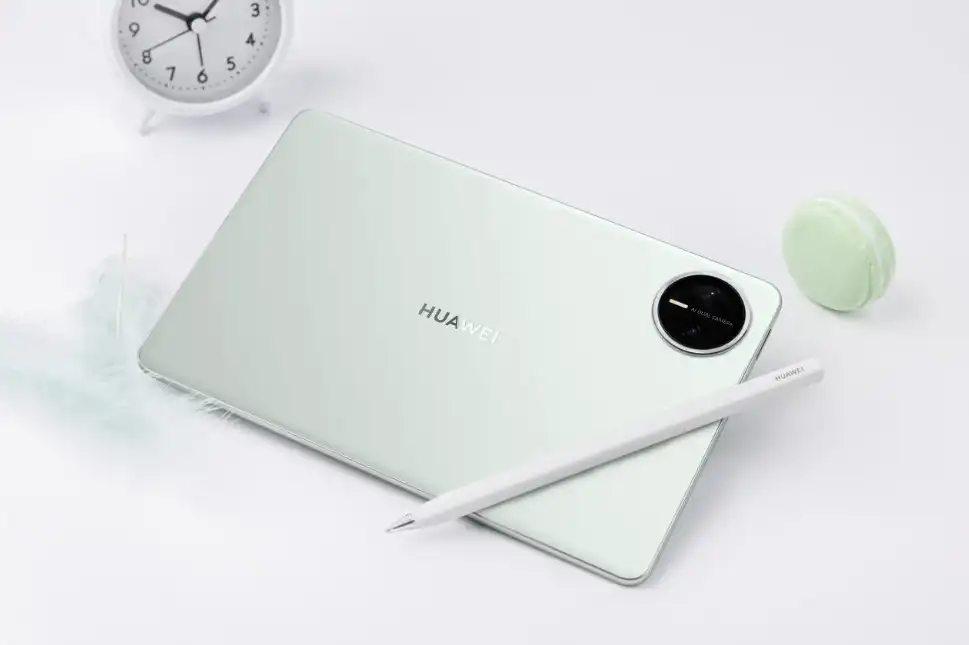
The global tablet market has long been defined by a simple formula: bigger screens, more powerful hardware, and productivity-focused features.
For years, manufacturers have competed to deliver larger displays and laptop-like capabilities, shaping consumer expectations around what a tablet should be. However, a new trend is beginning to emerge—one that challenges this long-standing narrative.
At the center of this shift is the HUAWEI MatePad Mini, a device that is steadily gaining attention across global markets. Its rising popularity is not just about performance or design, but what it represents: a renewed focus on compact tablets as practical, everyday devices rather than secondary companions.
A Growing Shift in Tablet Preferences
Recent performance data from major e-commerce platforms like Tmall and JD.com highlights the growing demand for compact devices. The MatePad Mini has consistently ranked among top-selling tablets while also receiving strong user ratings, indicating a rare combination of popularity and customer satisfaction.
This trend reflects a broader shift in consumer behavior. Instead of prioritizing size and raw power, users are beginning to value convenience, portability, and ease of use. Tablets are no longer just productivity tools—they are becoming lifestyle devices that fit seamlessly into daily routines.
Challenging the “Compact Means Compromise” Mindset
Historically, compact tablets have struggled to gain mainstream appeal. While they offered portability, they were often perceived as limited in performance and functionality. Many users viewed them as secondary devices—useful for reading or casual browsing but insufficient for more demanding tasks.
This perception has also been influenced by technical limitations seen in earlier compact tablets. For example, devices like the Apple iPad mini 7 have faced criticism over display inconsistencies, particularly during scrolling. Such issues reinforced the belief that smaller form factors come with trade-offs.
The MatePad Mini challenges this assumption by redefining what a compact tablet can achieve. Rather than treating portability as a compromise, Huawei positions it as a deliberate design philosophy—one that prioritizes real-world usability without sacrificing essential performance.
Designed for Everyday Life
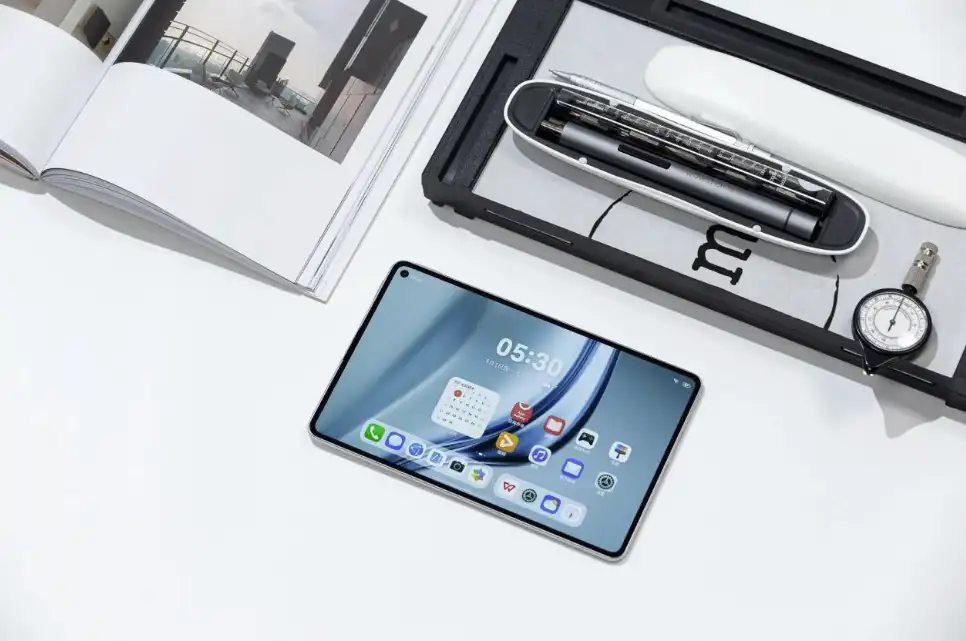
One of the standout features of the MatePad Mini is its ultra-lightweight and slim design. Weighing approximately 260 grams and measuring just over 5mm in thickness, it is engineered for effortless portability. This makes it easy to carry throughout the day, whether for commuting, travel, or casual use at home.
Unlike larger tablets that often require dedicated bags or careful handling, the MatePad Mini offers a more natural, intuitive experience—closer to that of a smartphone. Users can quickly pull it out for reading, note-taking, or quick tasks, integrating it seamlessly into their routines.
Despite its slim profile, durability has not been overlooked. Structural reinforcements ensure that the device remains sturdy, addressing common concerns associated with ultra-thin gadgets.
A Hands-On Experience That Converts
Interestingly, the growing interest in the MatePad Mini extends beyond online platforms. Retail environments have reported strong engagement and high conversion rates after customers experience the device firsthand. This suggests that the value of compact tablets becomes more apparent when users physically interact with them.
The tactile experience—how it feels in hand, how easily it can be used in different scenarios—plays a crucial role in shaping user perception. It is in these moments that the MatePad Mini’s strengths truly shine, bridging the gap between expectation and reality.
Redefining the Tablet Category
What makes the MatePad Mini particularly significant is not just its individual success, but what it signals for the broader tablet market. For years, innovation has been driven by incremental improvements in size, power, and specifications. Now, the focus is shifting toward balance—creating devices that combine performance with practicality.
This evolution reflects changing lifestyles. As users become more mobile and digitally connected, they seek devices that can adapt to various situations without adding complexity. Compact tablets, once considered niche, are now emerging as viable primary devices for many users.
Will It Arrive in Malaysia?
With its growing global momentum, anticipation is building around the potential arrival of the MatePad Mini in Malaysia. While no official release date has been confirmed, the increasing interest suggests that it could be a natural next step for Huawei.
If launched locally, the MatePad Mini could offer Malaysian consumers a fresh alternative in a market largely dominated by larger tablets. It may also encourage other manufacturers to rethink their approach, potentially accelerating the shift toward more compact, user-centric designs.
A Glimpse Into the Future of Tablets
The rise of the MatePad Mini highlights an important shift in how technology is evolving. It is no longer just about pushing boundaries in terms of size or power—it is about creating meaningful experiences that align with how people live and work.
Compact tablets are no longer an afterthought. They are becoming a deliberate choice, offering a balance of portability, performance, and convenience that resonates with modern users.
As the industry continues to evolve, devices like the MatePad Mini may well define the next chapter of the tablet market—one where smaller truly means smarter.
To find out more about the latest Huawei news, please visit the HUAWEI Official Website, the HUAWEI Official Facebook page, or Instagram.
Keywords:
- HUAWEI MatePad Mini Malaysia,
- compact tablet trends 2026,
- small tablet performance,
- MatePad Mini features,
- Huawei tablet Malaysia,
- best compact tablets,
- tablet portability vs performance,
- MatePad Mini review,
- tablet market trends