Malaysia is facing a growing obesity crisis. According to the National Health and Morbidity Survey, more than one in two Malaysian adults are currently living with overweight or obesity.
As one of Southeast Asia’s highest-ranked nations for obesity prevalence, the trend continues to rise, placing increasing strain on families, healthcare systems, and long-term national productivity.
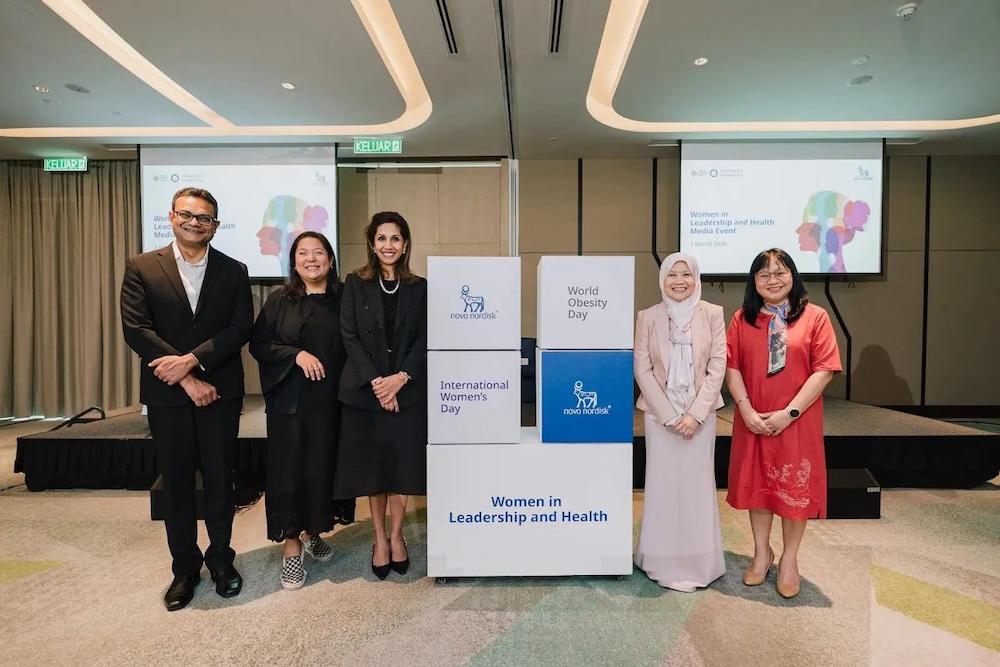
In conjunction with World Obesity Day and International Women’s Day, Novo Nordisk Pharma (Malaysia) convened healthcare professionals, corporate leaders, and individuals living with obesity to reshape the national conversation.
Anchored under the theme Women in Leadership and Health, the discussion focused on equity, systemic reform, and amplifying women’s voices in obesity care.
Understanding Obesity as a Chronic Disease
Obesity is increasingly recognised as a chronic and progressive disease influenced by biological, social, and environmental factors. Yet, misconceptions persist. Women, in particular, often face a disproportionate burden — not only due to biological differences but also because of societal expectations and stigma.
Globally, women tend to have a higher percentage of body fat compared to men, and gender influences how obesity manifests — whether centrally or peripherally. Research also shows that men generally lose weight more easily than women due to differences in body composition, basal metabolic rate, and energy expenditure.
These physiological realities are often overlooked in public discourse, which continues to frame weight as a matter of personal discipline rather than a complex medical condition.
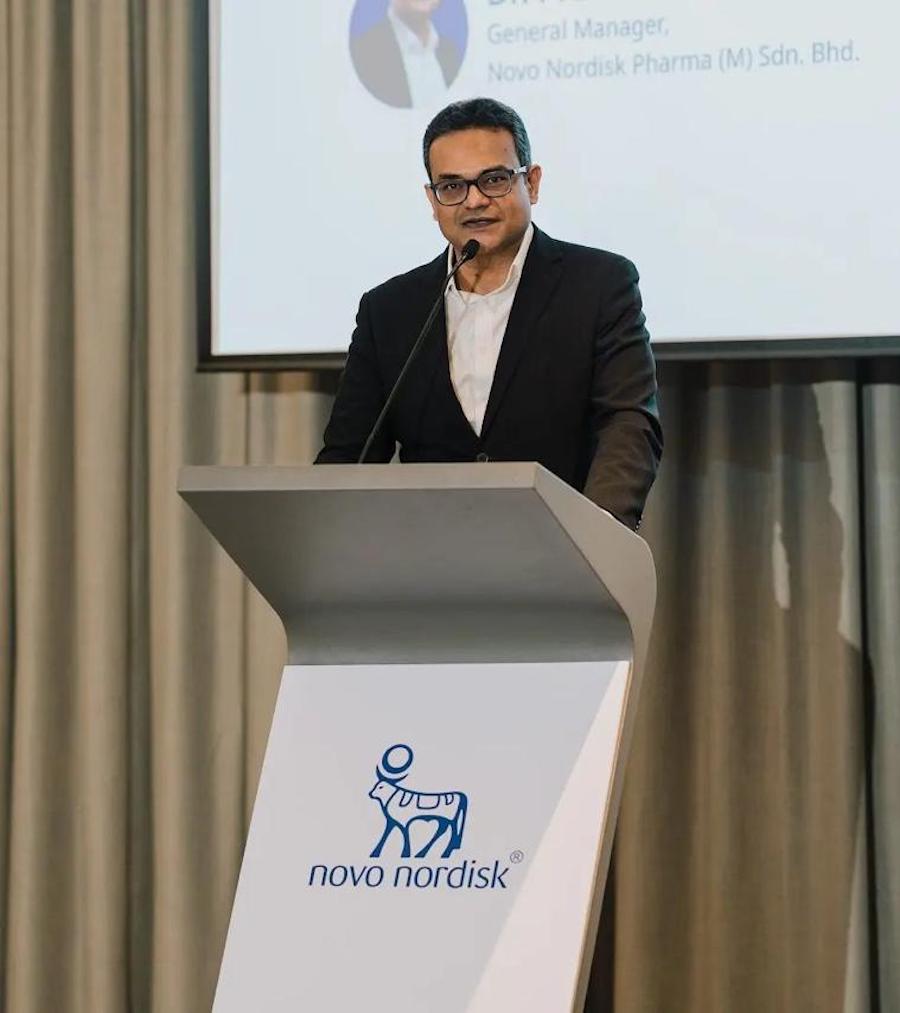
Dr. Praful Chakkarwar, General Manager of Novo Nordisk Malaysia, emphasised that women living with overweight or obesity frequently encounter harmful stereotypes that equate body weight with appearance or personal failure. Such narratives can delay diagnosis, limit access to evidence-based treatment, and perpetuate stigma in healthcare settings and workplaces.
Challenging Stigma Through Education and Leadership
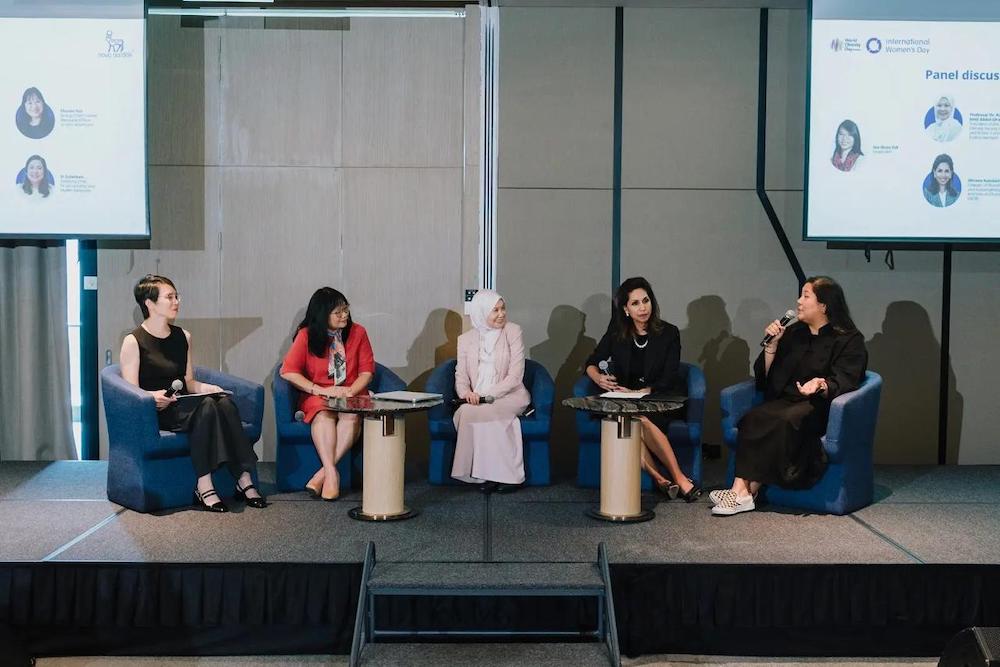
Professor Dr. Rohana Abdul Ghani, President of the Malaysian Obesity Society, highlighted findings showing that 45% of individuals living with overweight or obesity experience ongoing weight-related struggles. Nearly half feel controlled by their weight, and 57% relapse into previous eating patterns despite sustained efforts.
These findings reinforce a crucial message: obesity is not a failure of willpower. It is a chronic disease that requires long-term management, structured support, and shared responsibility across society.
Addressing stigma is central to progress. Person-first language — such as “people living with obesity” rather than labelling individuals by their condition — plays a key role in fostering dignity and empathy. Creating supportive environments where individuals feel safe seeking help is equally essential.
The Role of Workplaces in Women’s Health
The conversation extended beyond clinical care to include corporate leadership and workplace responsibility. Shireen Kandiah of the Asian Institute of Chartered Bankers noted that supporting women’s health should not be treated as a peripheral matter but as a leadership priority.
Flexible time for healthcare appointments, credible health education, and policies that promote wellbeing without judgement can empower women to balance professional and caregiving responsibilities while sustaining healthy routines. These measures not only improve individual outcomes but also enhance organisational resilience and productivity.
Similarly, Sharon Foo of IHH Healthcare underscored the broader societal impact of investing in women’s health. When women have access to proper infrastructure, time, and resources, the benefits extend beyond the individual — creating healthier families, workplaces, and communities.
Support Systems and Shared Responsibility
Celebrity chef and health advocate Ili Sulaiman added a personal dimension to the discussion, describing weight management as an emotional journey rather than a solitary decision. The presence of supportive colleagues, family members, and healthcare professionals can make sustainable progress more achievable and setbacks less discouraging.
This perspective aligns with Novo Nordisk’s broader call for collective action. Addressing obesity effectively requires collaboration between healthcare providers, employers, policymakers, and communities. It demands a shift away from blame-based narratives toward compassionate, science-based approaches.
Moving Forward: A National Commitment
As Malaysia continues to grapple with rising obesity rates, reframing the public conversation is essential. By recognising obesity as a chronic disease and centring women’s unique experiences, the country can move toward more inclusive and equitable health solutions.
This World Obesity Day and International Women’s Day, Novo Nordisk calls on Malaysians to challenge outdated stereotypes, adopt non-stigmatising language, and champion systemic reforms that improve access to evidence-based care.
Ultimately, advancing women-centred obesity care is not only about improving individual health outcomes. It is about strengthening families, enhancing workforce participation, and building a healthier, more resilient nation for generations to come.
Keywords :
- women-centred obesity care
- Novo Nordisk Malaysia
- World Obesity Day 2026
- obesity in Malaysia
- women and obesity stigma
- Malaysian Obesity Society
- health equity Malaysia
- workplace health for women
- chronic disease awareness